



Blog
 |
CuO and basic copper carbonate are both used as industrial copper sources. They are different materials, and those differences affect how they behave in production. |
 |
The quality of an inorganic chemical is determined by more than its chemical assay. Depending on the material and its application, manufacturers and users may also need to evaluate trace elements ... |
 |
Not all zinc oxide powders behave the same way, even when the chemical formula on the spec sheet is identical. The crystal shape a particle forms during production, whether fragmented, spherical, needle-like, or engineered into ... |
 |
Zinc oxide is one of the most widely used activators in EVA foam production, and one of the easiest additives to get wrong. A formulation can pass every check on the datasheet and still shrink after demolding ... |
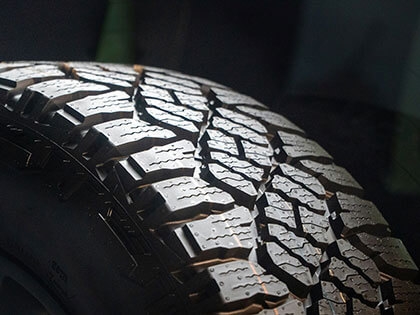 |
California's tire regulation does not stay in California. Because global tire makers rarely maintain separate formulations for one market, a zinc rule adopted in Sacramento tends to reset ... |
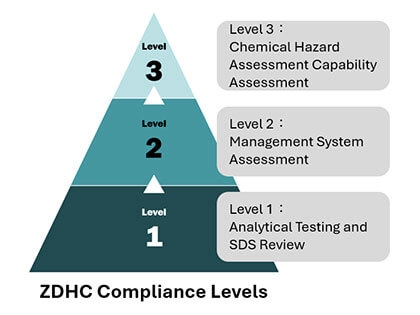 |
If your facility supplies into the Nike, Adidas, or H&M value chain, your chemical suppliers are under scrutiny alongside you. Brand chemical management requirements have moved upstream: ... |
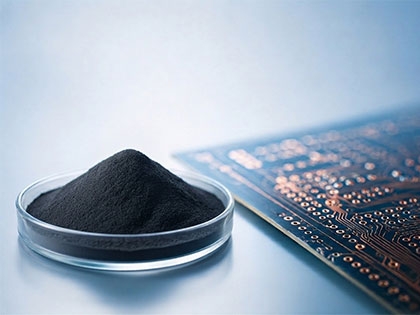 |
Electronic-grade copper oxide (CuO) is the core material for replenishing Cu²⁺ ions in the insoluble anode electroplating process used for PCBs. Compared to industrial-grade alternatives ... |
 |
For decades, the global footwear industry operated on a simple logic: find the lowest-cost manufacturing geography, consolidate production there, and optimize. Taiwan dominated athletic footwear ... |
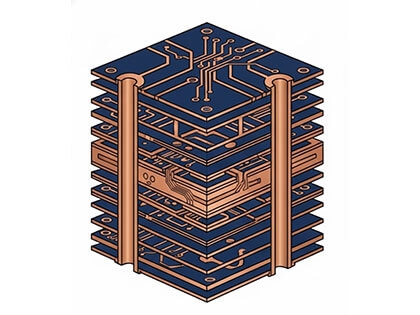 |
2026 marks the shift from factory relocation to yield-driven competition in PCB manufacturing High-layer AI boards are pushing copper plating chemistry to its operational limits |

